Launching a website without a foundational Search Engine Optimization (SEO) blueprint is identical to constructing an architectural masterpiece in the heart of an empty desert—no one will find it, let alone enter it. Too many brands treat search parameters as an afterthought, seeking out optimization tweaks only after their framework has completely frozen into production code.
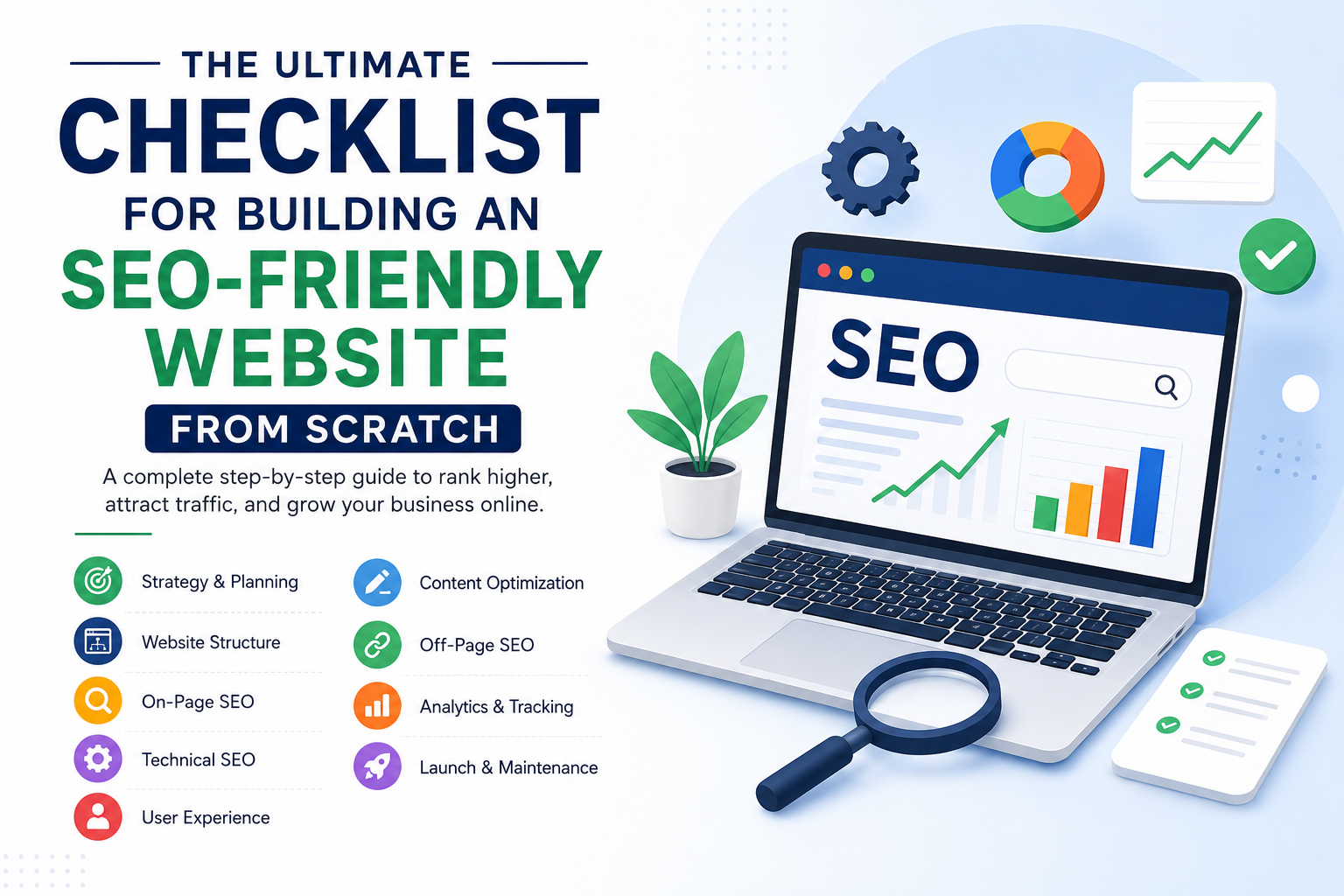
To capture sustainable organic traffic and pass rigid content monetization filters, search crawlability must be engineered directly into the foundational stack. This comprehensive guide outlines the precise technical and structural roadmap required to design an inherently visible online asset from scratch.
1. Foundations of Search Architecture
The core structural design of your application dictates how deeply crawl engines can discover, index, and organize your digital pages. A failure here ensures that brilliant marketing copy remains perpetually invisible.
Semantic Coding and Structured Markup
Crawl spiders read text structures, not visual aesthetics. When developing from raw code, use precise HTML5 elements tags explicitly rather than grouping structural blocks within ambiguous layout parameters. Use headers progressively from primary structural tags down through precise secondary blocks (<h1> to <h6>) to maintain proper textual hierarchical sequence.
-
Structured JSON-LD Formats: Inject schema scripts natively within document head paths to communicate operational parameters, physical addresses, review tallies, and product models explicitly.
-
Relational Navigation Tags: Enforce accurate directional descriptors across multi-level directory listings to preserve link structural fluid flow.
2. Performance Optimization & Core Web Vitals
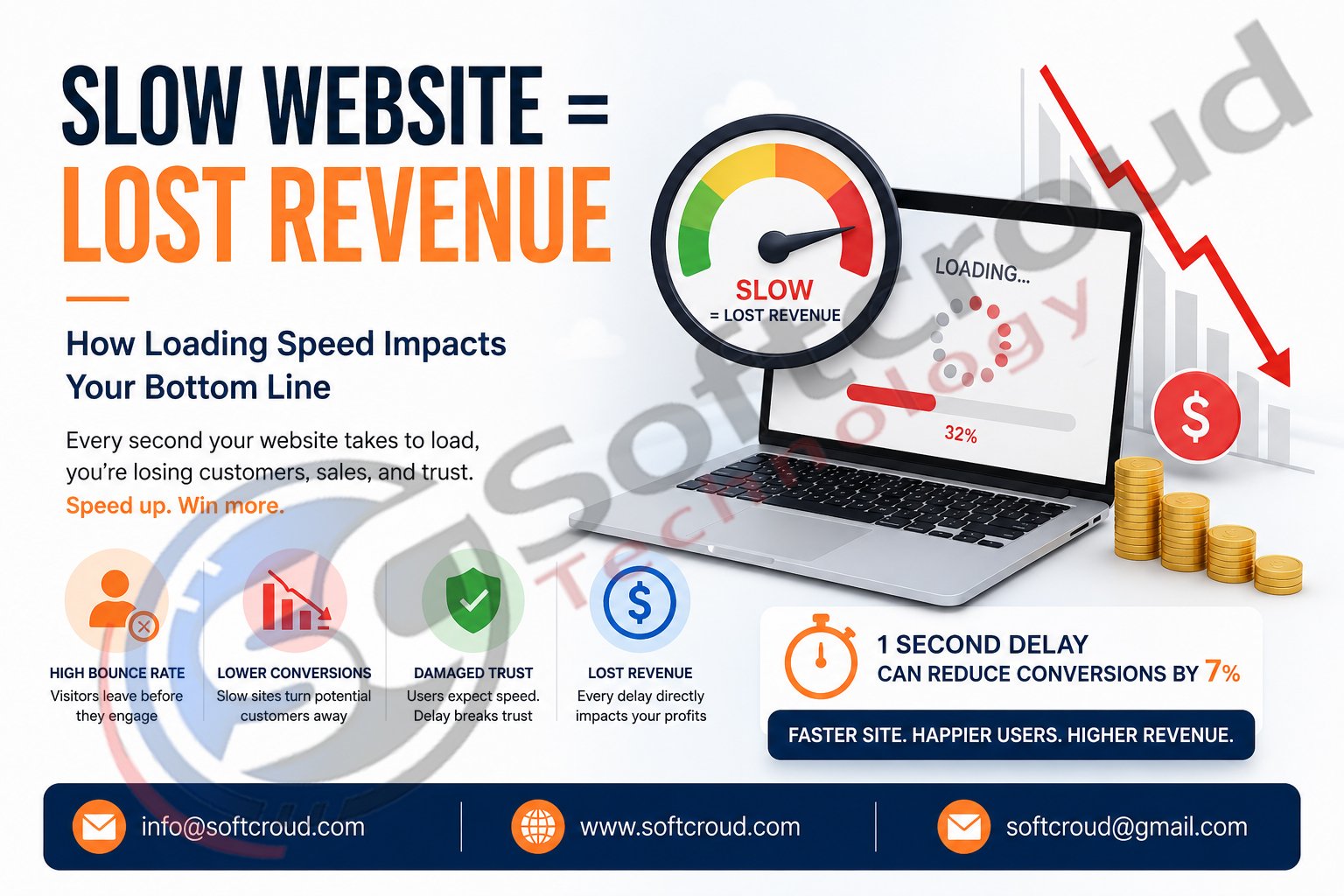
Modern index metrics rely comprehensively on rapid client-side interface delivery. Slow performance drops search rankings instantly.
Core Technical Formula for Asset Load Indexing:
Where processing efficiency scales symmetrically alongside minimal database server transactional latencies (TTTFB), low visual generation render points (TLCP), and structural element layout shifting (TCLS).
Eliminating Application Script Overload
While generic content systems drag performance speeds down with conflicting external styling plugins, clean custom software processes code blocks natively to optimize render speeds. Condense repetitive stylistic instructions into atomic, single-delivery styles and bundle internal programmatic commands to maximize continuous content display capabilities.
3. The Technical Structural Checklist
Ensure these specific operational configurations are established before production servers start delivering content live to the general public:
| Technical Milestone | Core Implementation Action | Target Search Result |
| Secure Layers | Deploy end-to-end HTTPS transfers using strict server handshakes. | Eliminates security warnings and fulfills security benchmarks. |
| Canonical Integrity | Declare primary source URLs explicit within parameters. | Neutralizes content duplication threats perfectly. |
| Indexing Direction | Configure strict robots instructions alongside active structural sitemaps. | Blocks backend directories while keeping target paths open. |
| Media Optimization | Encode responsive visual elements with explicit dimensions. | Eliminates framework layout shifting and increases engagement. |
4. Advanced Navigation Engineering
An intuitive structure improves conversion metrics while organizing programmatic power across core subdomains efficiently. Structure your directories following clean directory hierarchies rather than placing thousands of arbitrary dynamic files across a singular root layer.
This organized architectural division ensures that as your team logs informational articles or expands catalog records, search crawlers can accurately determine relative page values across distinct operational departments automatically.
AdSense Monetization Compliance Check
If monetization through premium display impressions is a core commercial goal, compliance must be verified during development. Optimization frameworks reject thin content structures or unstable visual themes. Clean, well-spaced programmatic architecture paired with rich informational directories signals maximum value to verification reviewers.
5. The Local & Global Acceleration Strategy
For regional operations, proximity-based search triggers are highly lucrative. Localized keyword variations must be interwoven organically into structural tags, meta fields, and image properties without falling into keyword stuffing habits.
This balanced combination of clean, custom web development and elite localized positioning guarantees that prospective clients discover your application before finding generic networks.
Deploy an Unbeatable Organic Engine with Softcroud
Do not let poor technical foundations compromise your market potential. Based in Bulandshahr, Softcroud is the absolute premier choice for elite website design and advanced custom software development. We write clean, lightning-fast, and search-engine-ready code systems meticulously structured to dominate competitive industries.
Partner with true digital engineers to scale your online infrastructure efficiently:
-
Digital Office Portal: www.softcroud.com
-
Strategic Business Desk: info@softcroud.com | softcroud@gmail.com